
Product Overview
Azithromycin is a macrolide antibacterial. It works by binding to the 50S subunit of the bacterial ribosome and blocking protein synthesis. As a result, susceptible bacteria stop growing and multiplying. Doctors widely use it for community-acquired pneumonia, bronchitis, sinusitis, pharyngitis/tonsillitis, otitis media, skin and soft tissue infections, and uncomplicated genital infections caused by Chlamydia trachomatis. Because of its long tissue half-life, it allows short treatment courses with once-daily dosing. Therefore, it supports patient adherence.
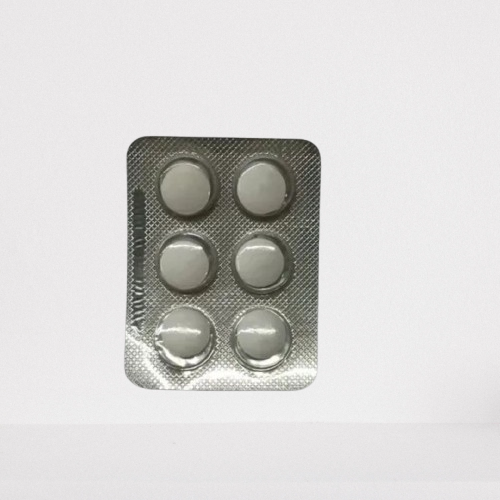
Azithromycin is effective only against susceptible bacteria. For example, it does not work against viral infections such as the common cold or influenza. Moreover, unnecessary use contributes to antibiotic resistance. Azithromycin Tablets 500mg (Azicen 500) come in a convenient 3-tablet box, so they match the standard short-course regimen. For this reason, use them only on a physician’s prescription.
Product Specifications
| Attribute | Details |
|---|---|
| Composition | Azithromycin IP 500mg (as azithromycin dihydrate) |
| Dosage Form | Tablet |
| Strength | 500mg |
| Pack Size | 1 box containing 3 tablets |
| Packaging Type | Box |
| Prescription Status | Prescription (Rx) only |
| Route of Administration | Oral, once daily, with or without food |
| Storage | Store at room temperature, below 30°C; protect from moisture and light |
| Country of Origin | Made in India |
How to Use
A physician directs the dose, and regimens vary by infection. Typical adult dosing is as follows:
- For respiratory and skin infections, a common regimen is 500mg once daily for 3 days. Alternatively, it is 500mg on day 1, followed by 250mg once daily on days 2 to 5.
- For uncomplicated chlamydial urethritis or cervicitis, the physician prescribes a single 1g dose.
- Swallow the tablet whole with water. You may take it with or without food, but taking it with food may reduce stomach upset.
- If you need an antacid containing aluminium or magnesium, take it at least 1 hour before or 2 hours after azithromycin.
- Take the medicine at the same time each day. Also, complete the full prescribed course, even if symptoms improve earlier.
- If you miss a dose, take it as soon as you remember. However, if it is almost time for the next dose, skip the missed dose and do not double up.
- The prescribing physician should determine the dose for children, elderly patients, and those with kidney or liver impairment.
Precautions & Warnings
- Prescription-only medicine: Dispense and use it only on a valid prescription. Also, use it only for infections that are proven or strongly suspected to be bacterial.
- Contraindications: Do not use it if you have a known hypersensitivity to azithromycin, erythromycin, or any other macrolide or ketolide antibiotic. Likewise, avoid it if you have a history of cholestatic jaundice or liver dysfunction linked to prior azithromycin use.
- Serious allergic and skin reactions: Discontinue immediately and seek emergency care if you notice swelling of the face, lips, tongue, or throat, difficulty breathing, widespread rash, blistering, or peeling skin. Doctors have reported serious skin reactions, including Stevens-Johnson syndrome and DRESS.
- Liver effects: Discontinue and seek medical attention if signs of hepatitis occur, such as yellowing of the skin or eyes, dark urine, severe fatigue, or abdominal pain. Also, use caution in significant liver disease.
- Diarrhea: Severe or persistent diarrhea, including Clostridioides difficile-associated diarrhea, can occur during or even weeks after antibiotic treatment. Therefore, seek medical advice rather than self-treating with anti-diarrheal medicines.
- Drug interactions: Azithromycin may interact with warfarin (monitor INR), digoxin, and ciclosporin. Moreover, avoid combining it with ergot derivatives. It may also interact with other QT-prolonging medicines, such as certain antiarrhythmics and antipsychotics, so disclose all current medications to the prescriber.
- Pregnancy/breastfeeding: Use it only if clearly needed and under medical guidance.
- Resistance: Misuse or incomplete courses promote antibiotic-resistant bacteria. For this reason, do not share or save leftover antibiotics.
Overdose Information
Overdose with azithromycin may cause pronounced nausea, vomiting, diarrhea, and temporary (reversible) hearing loss. In suspected overdose, doctors generally use supportive measures and monitor the heart rhythm.
If an overdose is suspected, contact a doctor, pharmacist, or local poison control center immediately, particularly if palpitations, fainting, or hearing changes occur. Also, bring the medicine packaging if you seek medical attention.
Storage Instructions
- Store it at room temperature, below 30°C.
- Also, protect it from moisture and direct light, and keep it in the original pack.
- Keep it out of reach and sight of children.
- Do not use it after the expiry date on the pack.
- Dispose of any unused or expired medicine safely, and do not use household waste or wastewater.
Frequently Asked Questions
It is a macrolide antibiotic used to treat susceptible bacterial infections such as respiratory tract infections, ear and throat infections, skin infections, and certain sexually transmitted infections, as prescribed by a doctor.
It binds to the bacterial ribosome and blocks protein synthesis, stopping susceptible bacteria from growing and multiplying.
Usually one 500mg tablet once daily, with or without food, for the number of days the doctor has prescribed. Complete the full course even if you feel better.
Nausea, diarrhea, abdominal pain, vomiting, and headache are the most commonly reported. Seek medical help for severe diarrhea, rash, yellowing of the eyes or skin, or palpitations.
No. It works only against bacterial infections and has no effect on viral illnesses such as the common cold or influenza.
It may interact with warfarin, digoxin, ciclosporin, ergot derivatives, and medicines that affect heart rhythm. Antacids with aluminium or magnesium should be spaced apart. Always disclose current medications to a healthcare provider.
Yes — Fortune Healthcare Product Pvt Ltd supplies this product to distributors, pharmacy chains, hospitals, and institutional buyers. Submit an enquiry for pricing and MOQs.
Store at room temperature below 30°C, protected from moisture and light, in the original pack, and out of reach of children.